The Alleyway
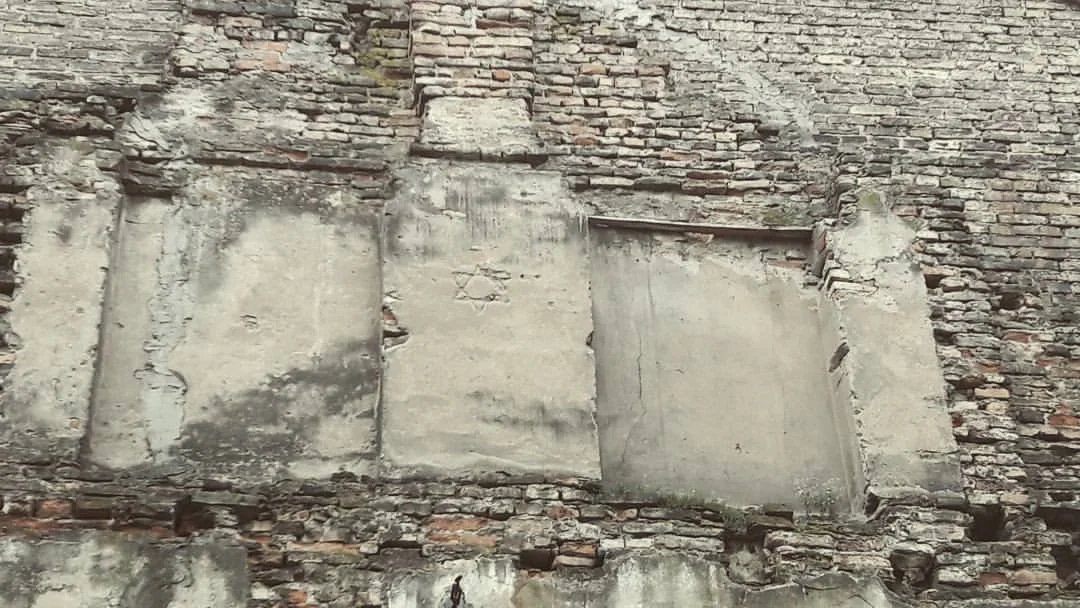
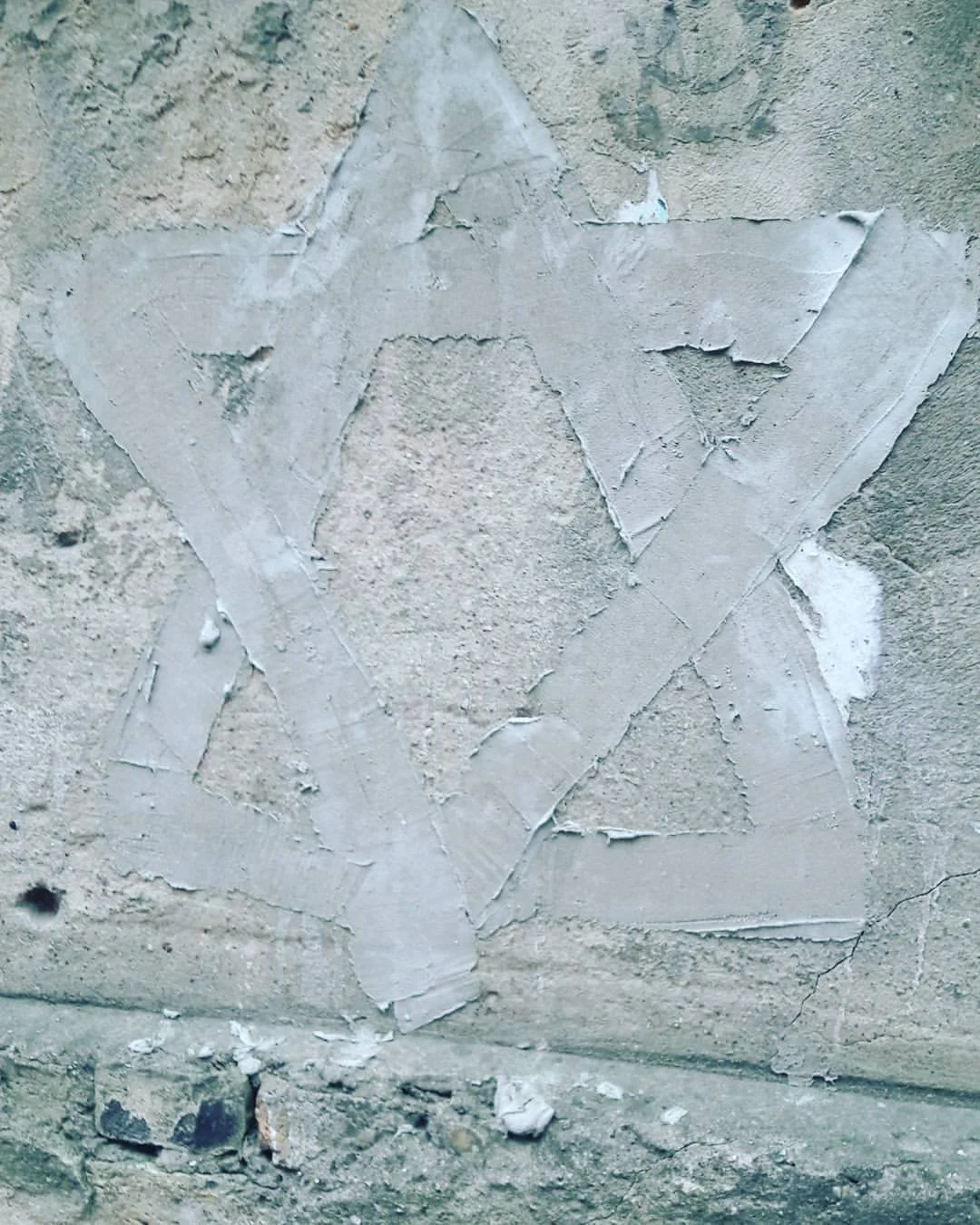
A Star of David etched into a wall in Vilnius, Lithuania.
I snapped this photo after a long walk around the city, just as I returned to my apartment.
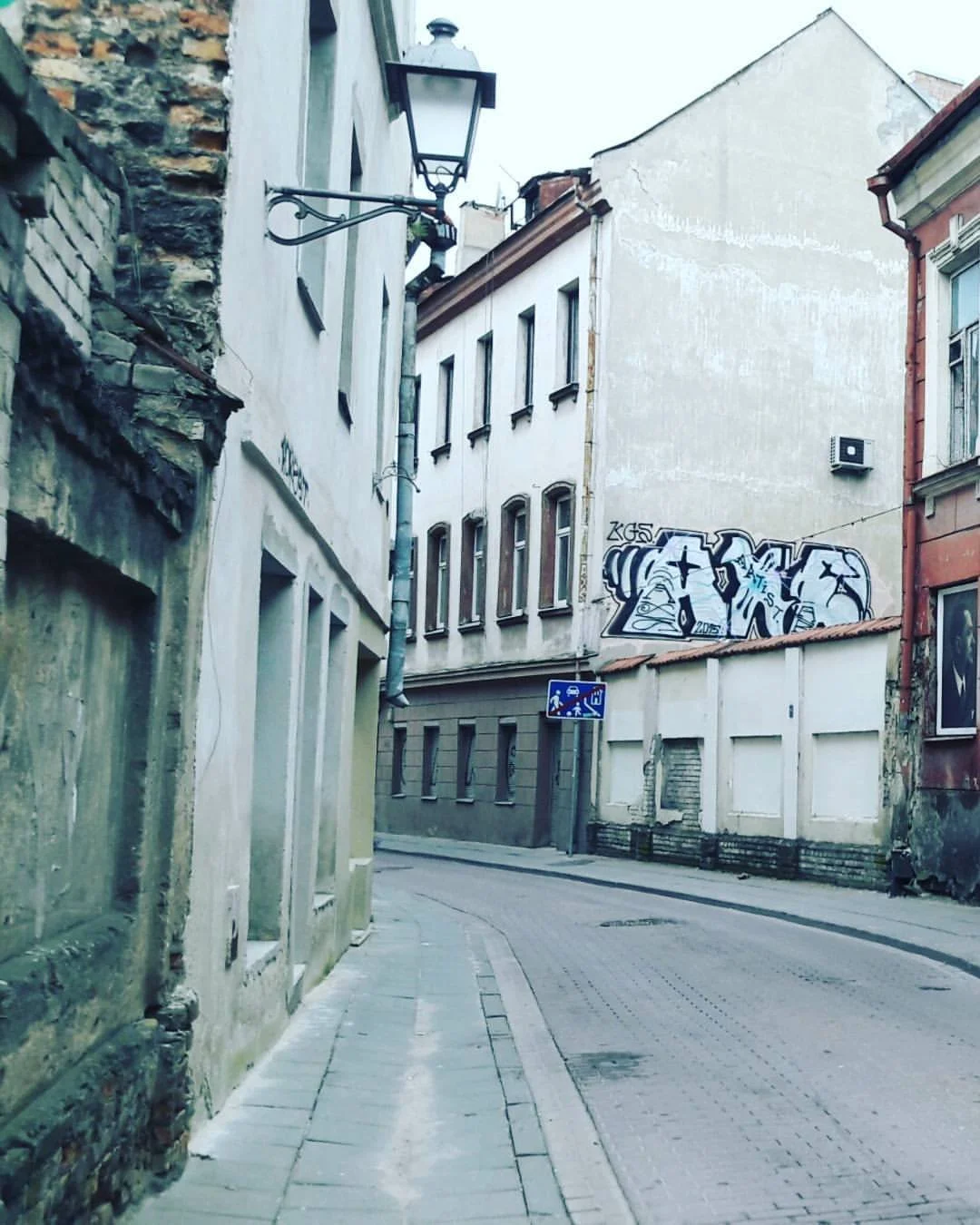
It turned out that the neighborhood where my rented apartment stood had once been the Vilnius Ghetto. I had no idea when I booked it.
As I wandered around Žemaitijos gatvė, just steps from upscale shops, lively bars, and a fast-food joint in the heart of Senamiestis — Old Town — I hadn’t even noticed the Star of David above me. I was too busy photographing the quirky, beautiful fragments of the city.
It was at this moment, I was approached by an elderly woman, speaking rapidly in Lithuanian. I didn't know what she was trying to tell me, so I shrugged in the hopes of conveying I did not understand her.
She pointed to her mouth and rubbed her thumb and forefinger together in that universal gesture for “hunger” and “do you have money to spare?”. I quickly handed her two euro coins from my coat pocket. She said something else, but the words fell on monolingual ears.
A younger gentleman walking by happened to hear our transaction and he said, "She just wants to show you something." He repeated it to the woman what he'd just told me and continued on his way.
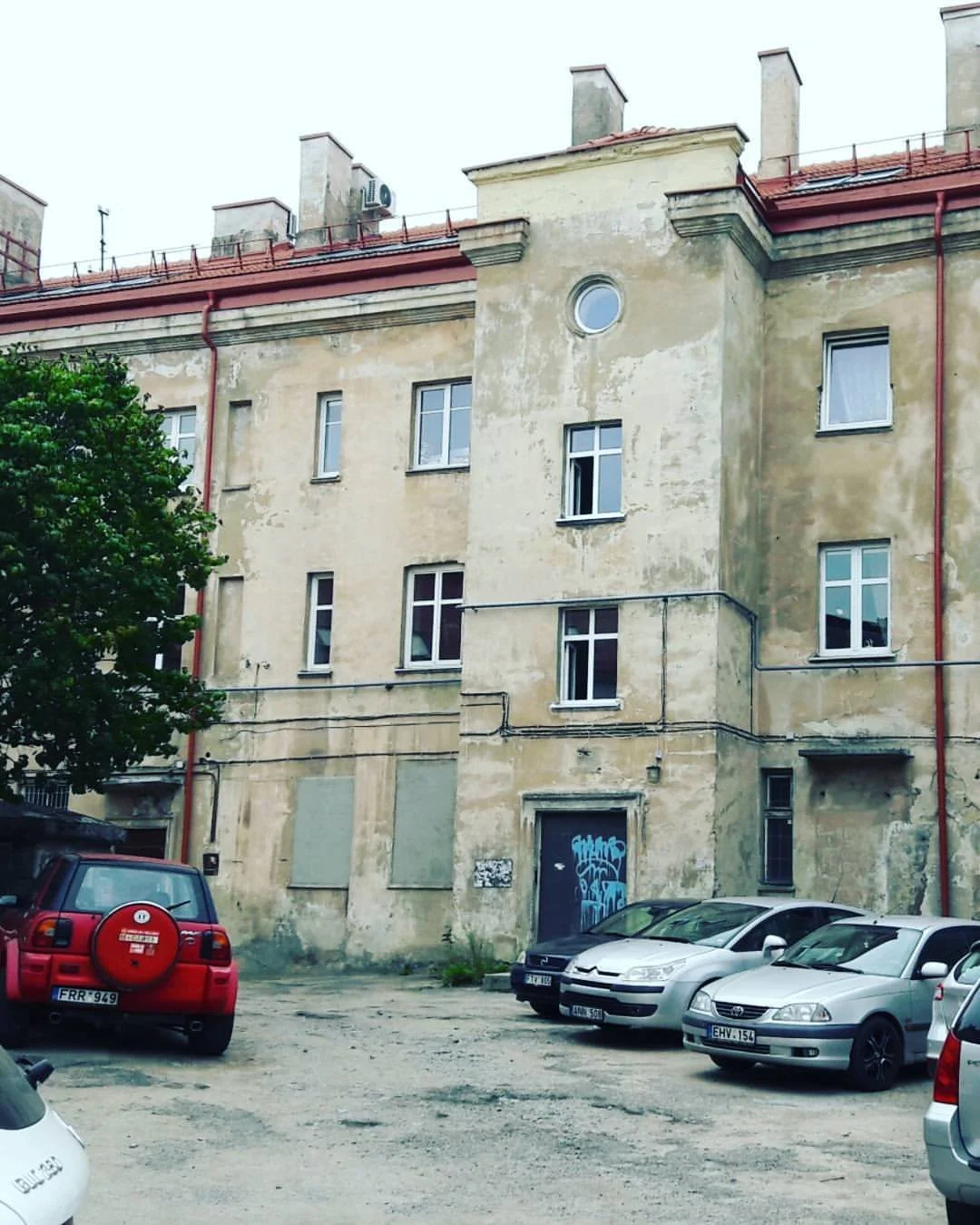
She took me by the hand and led me into a nearby parking lot of what appeared to be a repurposed apartment building. She pointed toward the sky, and there it was: a faint Star of David carved into the side of a crumbling, heavily defaced wall. Easy to miss unless you were really looking for it.
Through gestures, sound effects, and deep emotion, she told me the story of this place. She mimicked bombs falling and the sputtering of machine guns, explaining how Estonian and German forces bombed the Vilna Ghetto. And how this barely visible Star of David was one of the few things that survived.
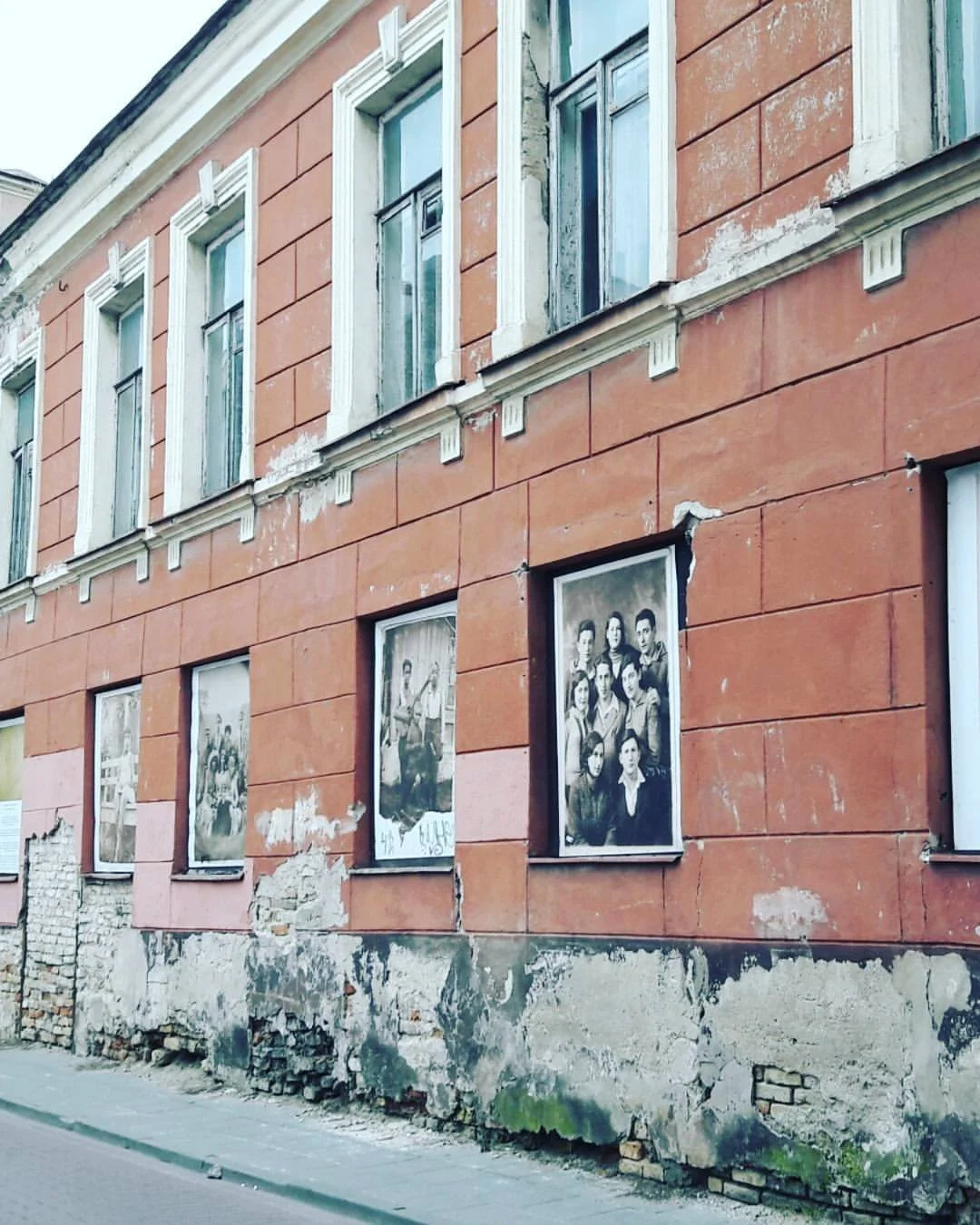
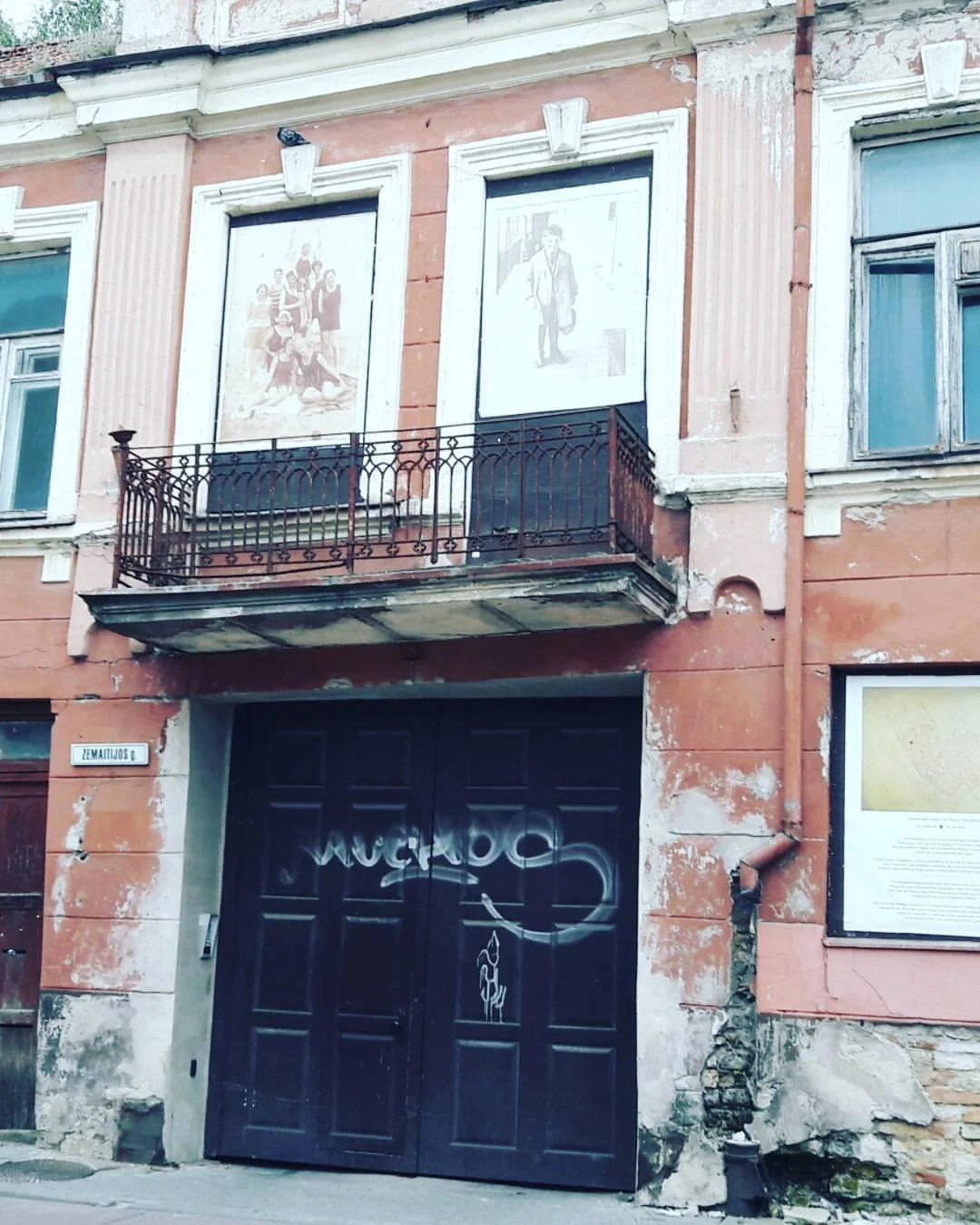
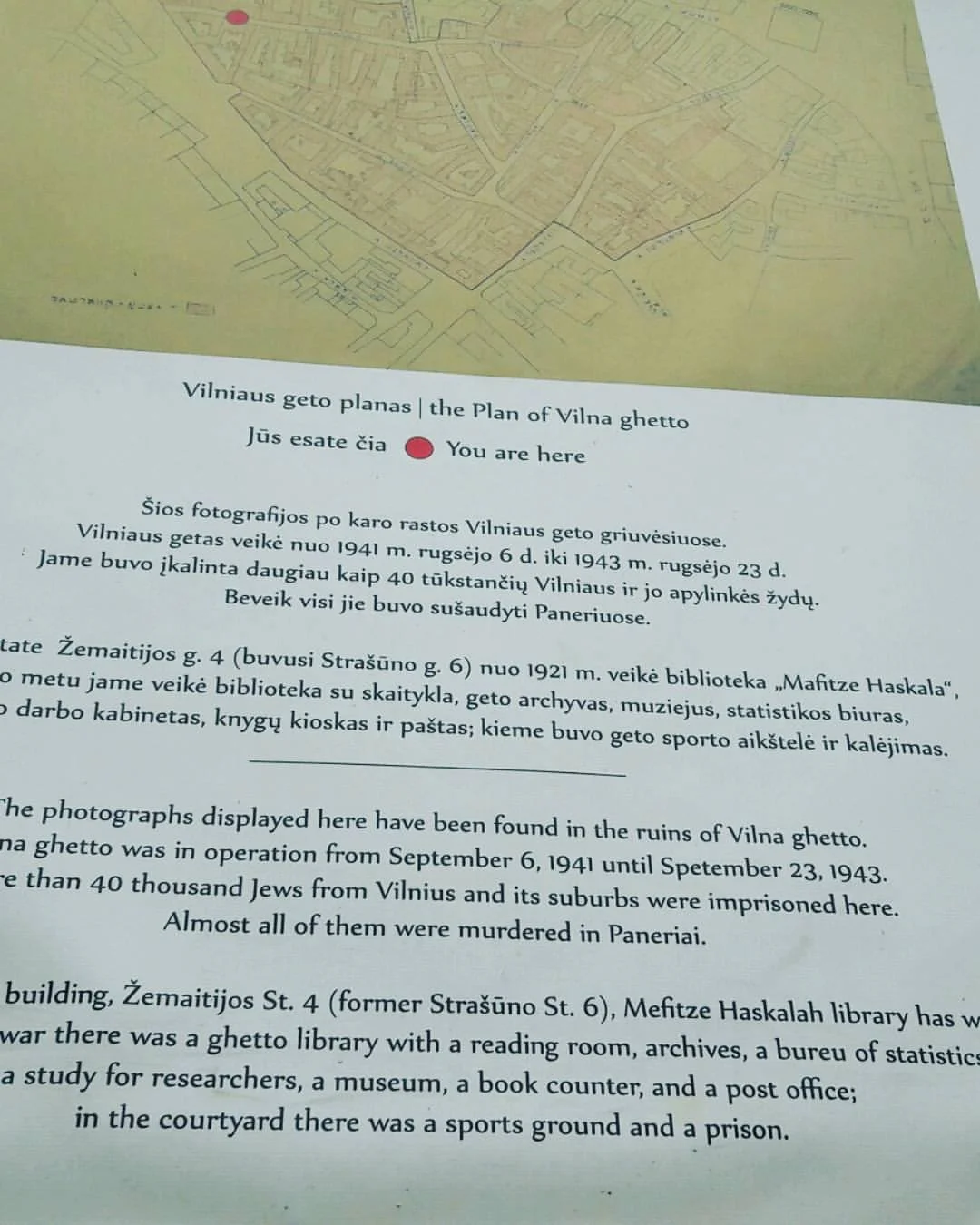
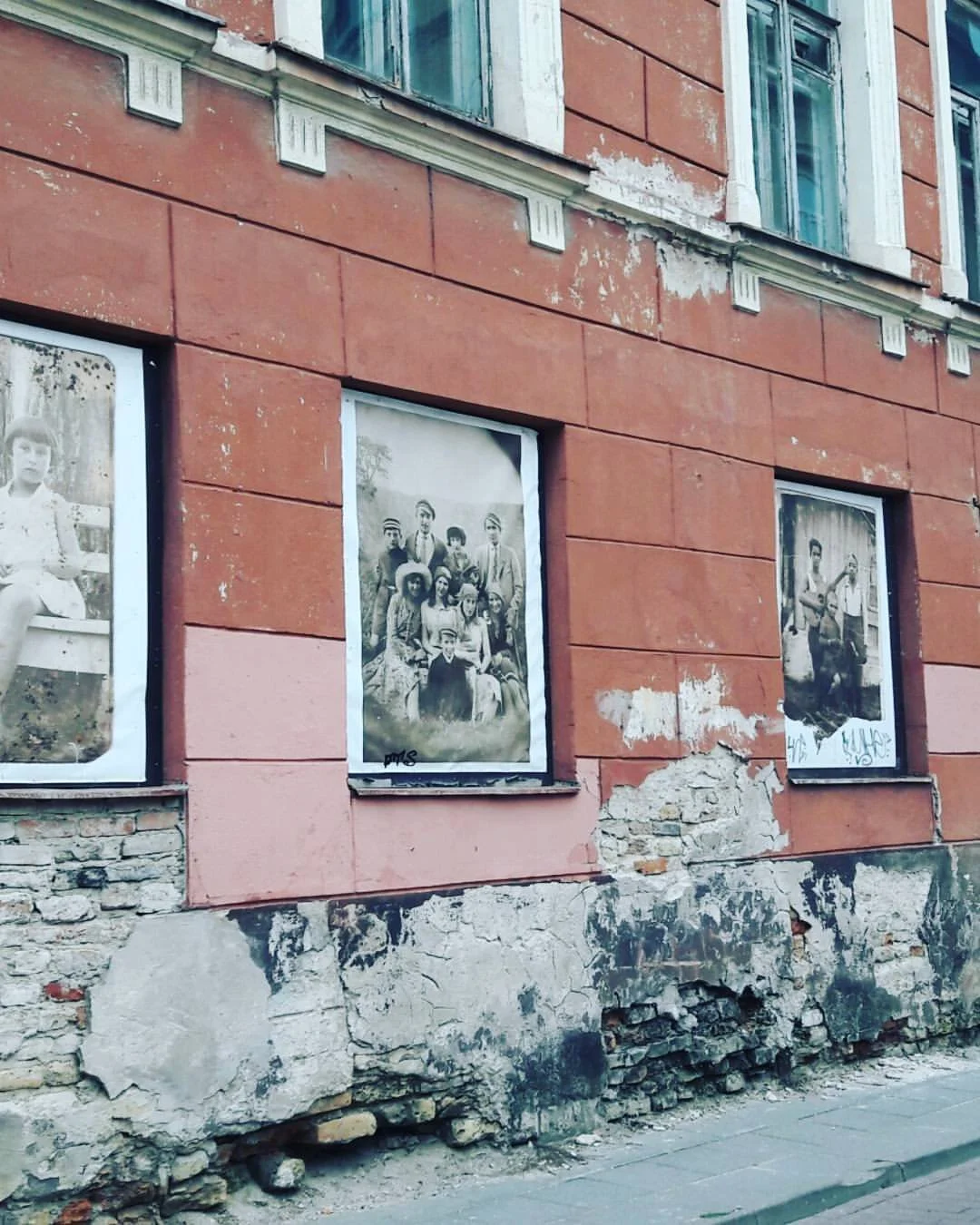
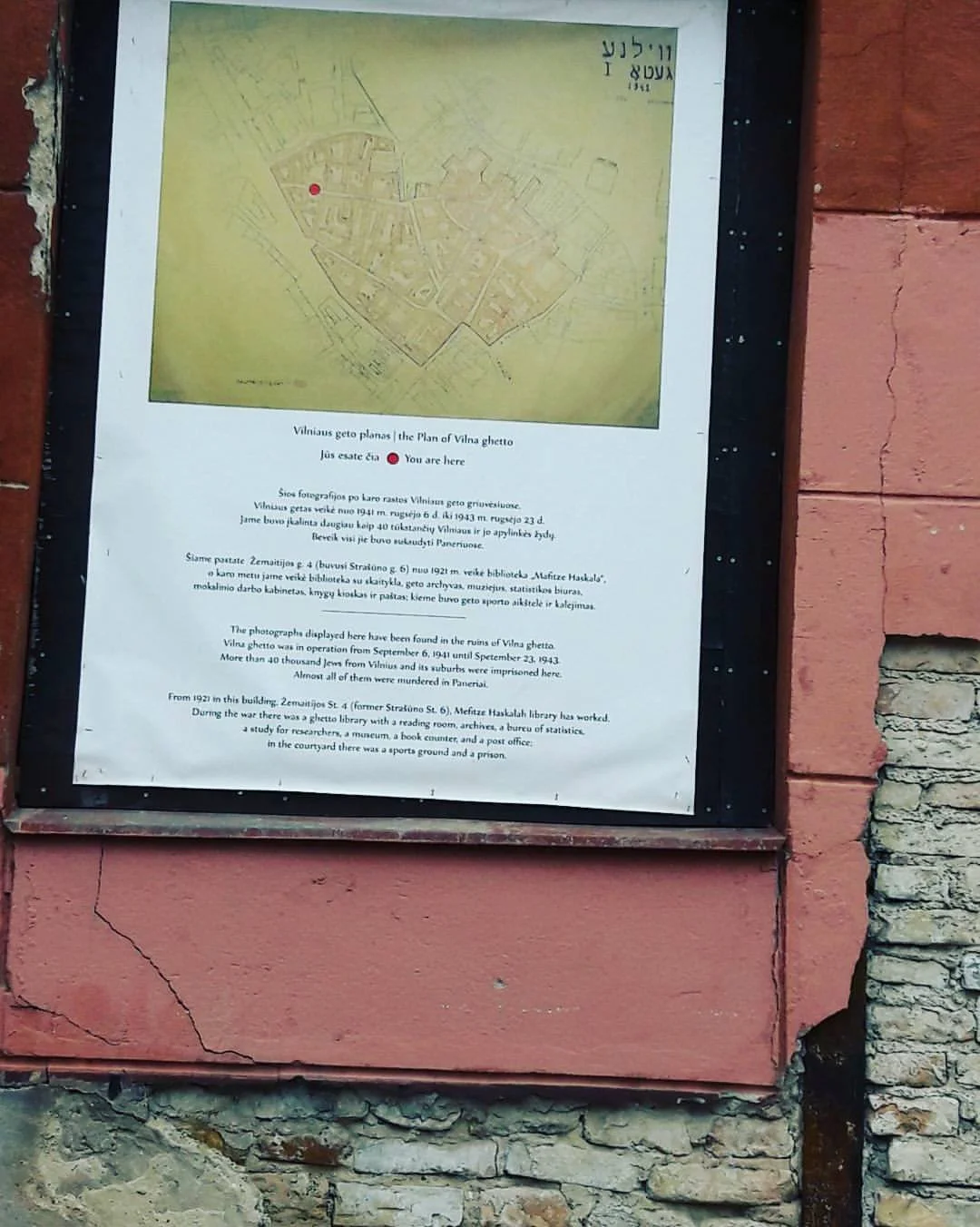
She motioned to the surrounding buildings, their walls plastered with sepia-toned portraits — families, individuals, frozen in time. These weren’t advertisements. These were remnants. The photographs that the former ghetto inhabitants had left behind, and it’s all that remains of their worldly possessions before being forced into the jaws of untimely death. They were likely murdered in the Paneriai Massacre - the largest mass execution in Lithuania’s history, where around 100,000 people perished just ten kilometers outside of the city.
I had seen photos of Paneriai: massive pits originally dug for oil storage, repurposed into mass graves. Men, women, and children — Litvaks, Poles, Soviet POWs, Russians, and Romani — all gone.
Before 1939, Lithuanian Jews made up a third of the population of Lithuania. After the second World War, their number had been reduced by about 94%. Today, only 3,000 Litvaks remain in Lithuania, most of whom are elderly - the younger and able-bodied left long ago, choosing to rebuild lives in Israel, never again returning to Lithuania.
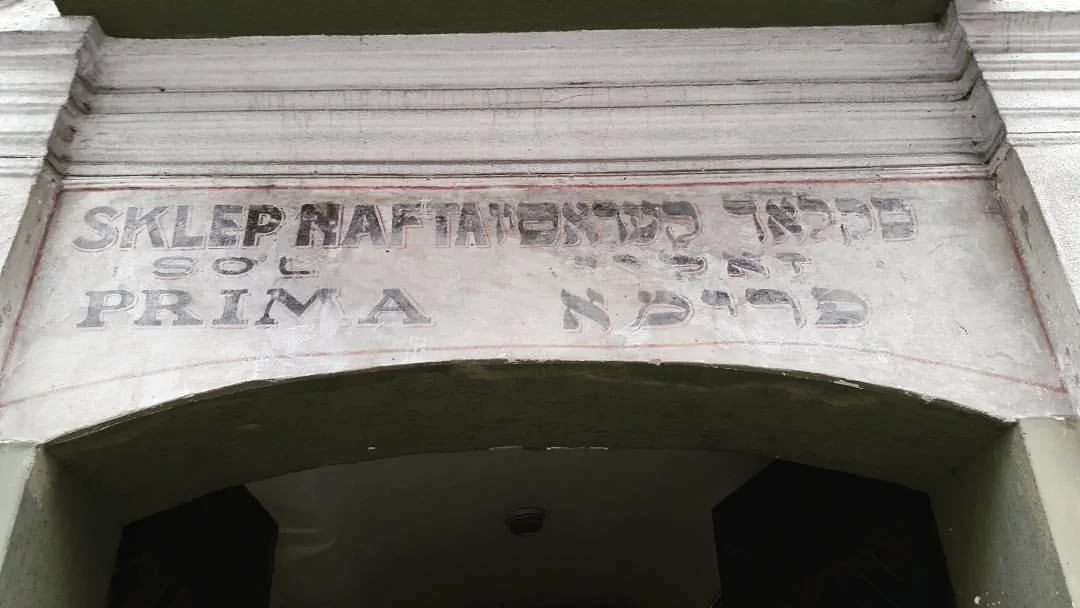
What’s left behind are these fading photographs on battered walls. That barely visible Star of David. The ghostly remnants of Yiddish signage, untouched for decades, now barely legible in cracked, sun-bleached paint.
The old woman traced the shape of my face, smiled, thanked me for the money, and disappeared out of sight.
